Why Socks Are the Most Underrated Trekking Gear
The right socks wick sweat, cushion impact, and prevent the friction that destroys feet over a 14-day trek. This guide covers materials, the two-sock system, cushion levels, and how many pairs to bring.
Merino vs Synthetic Trekking Socks
Merino wool is the Nepal trekking standard for good reason.
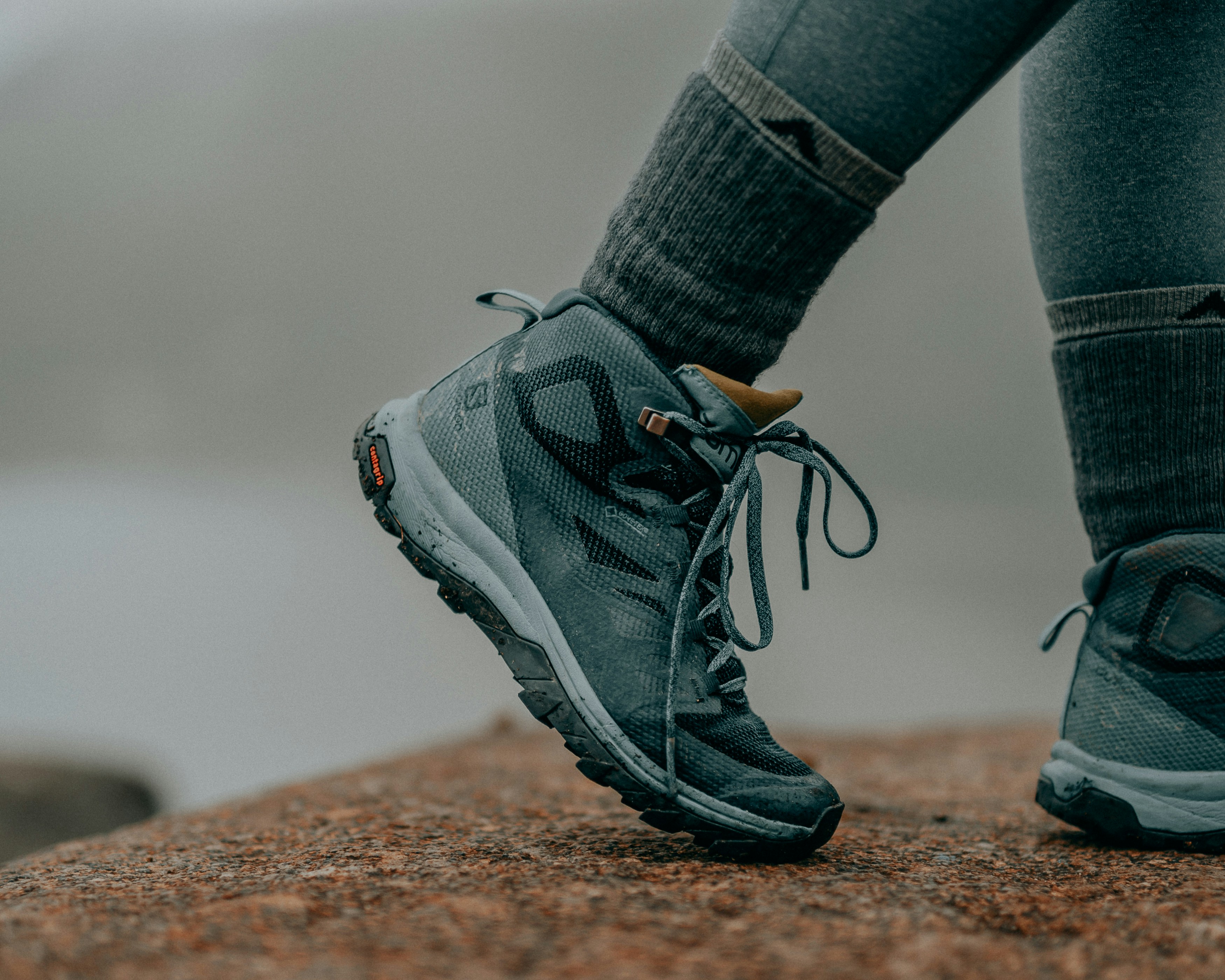
- Merino blend (60–80% merino + nylon/elastane): Odour-resistant, warm when damp, cushioned — brands like Darn Tough, Smartwool, Bridgedale
- Synthetic: Dries faster, cheaper, but holds odour
- Never cotton: Cotton socks hold sweat, freeze at altitude, and are the leading blister cause
The Two-Sock System for Blister Prevention
One of the most effective blister-prevention techniques is wearing two sock layers — a thin liner sock plus a cushioned outer sock. The two layers slide against each other instead of against your skin, so friction happens between the socks rather than on your foot.
- Liner: Thin merino or synthetic sock next to skin
- Outer: Cushioned merino trekking sock
- Studies of military recruits have found double-sock systems more protective against blisters — including severe blisters — than a single sock
Choosing the Right Cushion Level
| Cushion | Best For |
|---|---|
| Light | Warm weather, lower-altitude treks |
| Midweight | Most multi-day Nepal treks |
| Heavyweight | EBC, Three Passes, winter |
Midweight merino socks are the most versatile choice for the majority of Nepal trekkers.
How Many Pairs to Pack
- 12–14 day trek: 4–5 pairs
- Rotate: wear one, wash one, dry one by the teahouse stove overnight
- Always carry one dry "sleeping pair" you never hike in
- A wet-foot midday change makes a huge comfort difference on long days
We stock merino trekking socks alongside our full trekking clothing range.
Sock Care on the Trail
- Hand-wash with a little soap and dry overnight near the stove
- Turn socks inside out to dry the sweat-facing side faster
- Trim toenails before the trek to prevent sock and toe damage on descents
- Pair good socks with broken-in poles and boots for the full anti-blister system
Frequently Asked Questions
How many pairs of socks do I need for Everest Base Camp?
For a 12–14 day EBC trek, pack 4–5 pairs of merino trekking socks. Rotate them — wear one, wash one, dry one — and keep one dry pair reserved only for sleeping.
Are merino wool socks worth it for trekking?
Yes. Merino socks wick sweat, resist odour (so you can wear them longer), stay warm when damp, and cushion well. They outperform cotton dramatically and are the standard choice for Nepal trekking.
Can you wear two pairs of socks for trekking?
Yes — the two-sock system (a thin liner under a cushioned outer sock) is a proven blister-prevention method. The socks slide against each other instead of against your skin, reducing friction and hot spots.
What's the best sock for preventing blisters?
A merino-blend cushioned sock worn over a thin liner sock is the best blister-prevention setup. Combine that with well-broken-in boots and a midday dry-sock change on wet days for maximum protection.
Get Blister-Free Socks at Himalayan Hardwear, Thamel
Merino trekking socks, liner socks, and all the footwear accessories you need — at our store in Jyatha, Thamel, Kathmandu. Open daily 9am–8pm, or contact us on +977-1-5362200.