Why Water Setup Matters More Than You Think in Nepal
Getting your water system right on a Nepal trek does three things at once: it keeps you healthy (waterborne illness ruins more treks than altitude), it keeps you hydrated (dehydration worsens altitude sickness), and it keeps you legal — single-use plastic bottles are banned in the Everest region. The Khumbu Pasang Lhamu Rural Municipality banned plastic under 30 microns, including drinks in plastic bottles, effective from January 2020. So you need your own reusable bottles and a reliable way to purify water. This guide covers the best bottle and purification combination.
The Two-Bottle System for Nepal
Experienced trekkers carry two 1-litre bottles, each doing a different job.
- Nalgene wide-mouth (1L): Works with purification tablets and a SteriPen; tough and easy to fill
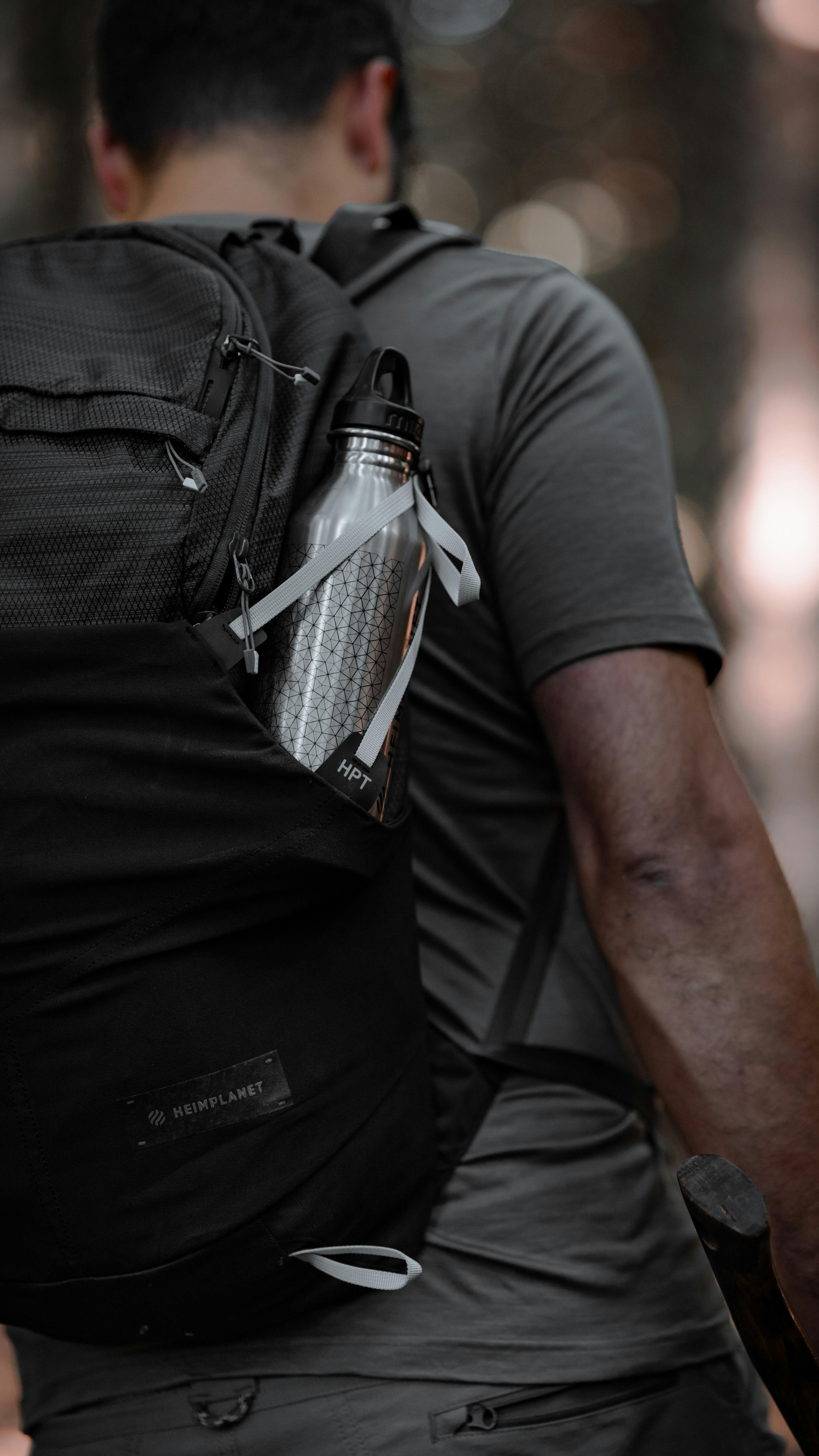
- Insulated bottle (750ml–1L): Hydro Flask / Klean Kanteen style — prevents water freezing above 4,000m and can hold hot water
- Together they give 2L capacity plus freeze protection
Browse reusable and insulated water bottles at Himalayan Hardwear.
Water Purification Methods Compared
| Method | Time | Kills | Notes |
|---|---|---|---|
| Boiling | 3 min (above 2,000m) | Everything | Gold standard; uses fuel/money |
| Chlorine dioxide tablets | 30 min (2hr if cold) | Bacteria, viruses, Giardia | Light, cheap, reliable |
| SteriPen (UV) | 90 sec/litre | Bacteria, viruses, protozoa | Needs clear water; keep warm below 0°C |
| Filter (Sawyer/LifeStraw) | Instant | Bacteria, protozoa | Doesn't remove viruses — combine with tablets |
The Khumbu Plastic Ban: What It Means for You
Since January 2020, you cannot buy bottled water in plastic in the Everest region. This is both an environmental rule and a practical one — boiled or refill water is far cheaper than the inflated price of bottled water at altitude anyway.
- Bring your own reusable bottles — you'll save significant money over a 14-day trek
- Refill from taps, streams, and teahouse boiled water, then purify
- Carrying your own purification frees you from buying expensive boiled water
The Recommended Nepal Water Combo
- Insulated bottle — for freeze protection and hot drinks at altitude
- Nalgene wide-mouth — for purifying and bulk capacity
- Chlorine dioxide tablets — your reliable, lightweight primary method
- A filter (Sawyer Mini) — for sediment and protozoa, backed up by tablets for viruses
Hydration at Altitude
- Drink 3–4 litres per day at altitude — dehydration worsens altitude sickness
- Add electrolyte sachets to replace salts lost through exertion
- Keep your insulated bottle inside your jacket or sleeping bag overnight to prevent freezing
- A SteriPen needs to be kept warm in a pocket to work below 0°C
Frequently Asked Questions
Is tap water safe to drink in Nepal?
No — tap and stream water in Nepal should always be purified before drinking. Use chlorine dioxide tablets, a SteriPen, a filter, or boiled water. Untreated water risks Giardia and other waterborne illnesses that can end your trek.
Are plastic water bottles banned in the Everest region?
Yes. The Khumbu Pasang Lhamu Rural Municipality banned single-use plastic, including drinks in plastic bottles, from January 2020. You must bring reusable bottles and purify refill water on the EBC and Gokyo routes.
SteriPen vs water purification tablets for Nepal — which is better?
Tablets are lighter, cheaper, and work in cold — but take 30 minutes (longer if cold). A SteriPen purifies in 90 seconds but needs clear water, batteries, and warmth below freezing. Many trekkers carry tablets as a reliable backup to a SteriPen or filter.
How much water should you drink at altitude?
Aim for 3–4 litres per day at altitude. Good hydration helps your body acclimatise and reduces the severity of altitude sickness symptoms. Add electrolytes to replace salts lost through sweat and exertion.
Get Reusable Bottles at Himalayan Hardwear, Thamel
Insulated bottles, Nalgene-style bottles, and purification gear that keeps you legal in the Khumbu — at our store in Jyatha, Thamel, Kathmandu. Open daily 9am–8pm, or contact us on +977-1-5362200.