Why the Three Passes Trek Needs Top-Tier Gear
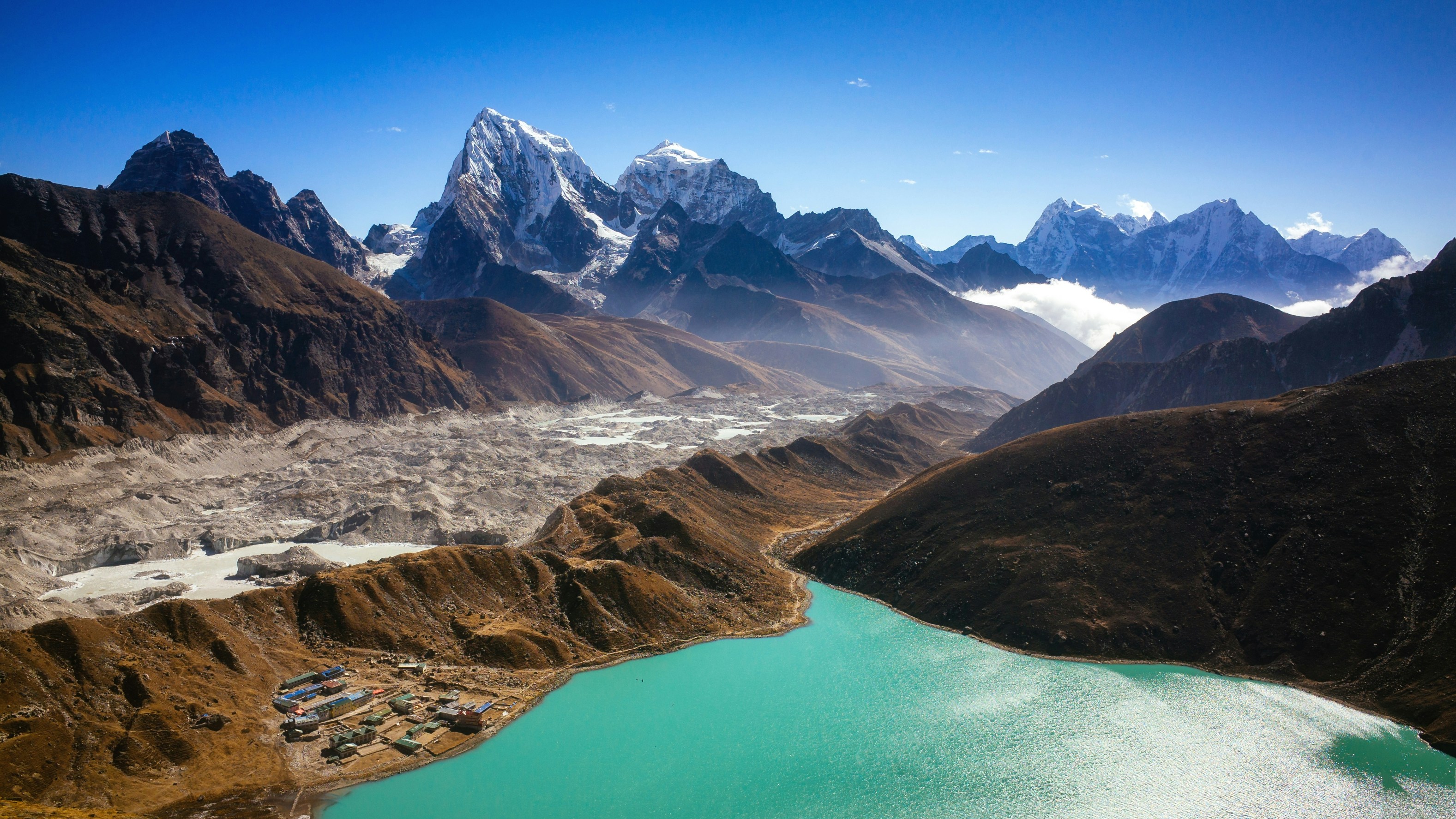
The Everest Three High Passes trek is the ultimate Khumbu adventure — an 18–21 day loop crossing three passes all above 5,300m: Kongma La (5,535m), Cho La (5,420m), and Renjo La (5,360m), usually with side ascents of Chhukung Ri (5,546m), Kala Patthar (5,545m), and Gokyo Ri (5,357m) thrown in. This is not a trek to under-pack. Nights above 5,000m can hit -20°C, the passes hold ice and snow that demand microspikes or crampons, and the Lukla flight's 10kg luggage limit forces ruthless weight discipline. Get the gear right and it's the trek of a lifetime.
This list covers the expedition-grade equipment you genuinely need for Nepal's most demanding teahouse trek.
What Sleeping Bag Do You Need for Three Passes?
- Comfort rating: -20°C minimum (extreme rating to around -30°C)
- Fill: 600–800 fill-power down, mummy shape, full draft collar and hood
- Liner: Insulated liner adds a critical safety margin on the coldest nights
Choose an expedition bag from our sleeping bag range.
Expedition Down Jacket: Non-Negotiable
On the pass mornings you'll start in the dark at -20°C. A serious puffer is mandatory.
- Fill power: 800–850 FP with 250–350g fill (expedition class)
- Features: Insulated hood, hip or thigh length, baffled construction to avoid cold spots
- Plus: A lighter packable down jacket for daytime layering
See expedition-grade options in our down jacket range.
Traction, Shell and Layers for the High Passes
Traction and Footwear
- High-cut waterproof mountaineering-grade boots
- Microspikes or crampons — Cho La especially holds ice; required after fresh snow
- Knee-high gaiters for deep snow on the passes
Shell and Layering
- 3-layer GORE-TEX or eVent shell, ≥20,000mm hydrostatic head — see our shells
- Heavy fleece, multiple base layers (drying is hard at altitude)
- Liner gloves + heavy insulated mitts; balaclava for wind
Backpack and the Lukla Weight Limit
The Lukla flight allows roughly 10kg checked + 5kg hand luggage, so weight budgeting is critical.
- 55–70L pack if self-carrying; 30L daypack + duffel with a porter
- Trekking poles with snow baskets — essential on the icy descents (see our trekking poles)
- Compression sacks to fit your sleeping bag and down within the limit
Browse our trekking bags sized for big expeditions.
Three Passes Trek Key Data Table
| Pass / Peak | Altitude | Gear Note |
|---|---|---|
| Kongma La | 5,535m | Hardest day (Chhukung → Lobuche) |
| Cho La | 5,420m | Icy — crampons/microspikes required |
| Renjo La | 5,360m | Snow gaiters recommended |
| Kala Patthar | 5,545m | Cold pre-dawn — expedition down |
| Chhukung Ri | 5,546m | Acclimatisation peak |
Frequently Asked Questions
How fit do I need to be for the Three Passes trek?
Very fit. Three Passes is one of Nepal's most demanding teahouse treks — 18–21 days with three crossings above 5,300m and long, steep days. You need solid cardiovascular fitness, prior high-altitude experience, and excellent acclimatisation.
Do you need crampons for Cho La pass?
Microspikes are the minimum for Cho La, which holds ice year-round; full crampons are wise after fresh snow or in winter. Trekking poles and gaiters are also strongly recommended for the crossing.
How cold does it get on the Three Passes trek?
Nights above 5,000m can fall to -20°C, and pre-dawn pass starts are colder. A -20°C comfort sleeping bag and an 800+ fill expedition down jacket are essential.
Three Passes trek vs Everest Base Camp — which is harder?
Three Passes is significantly harder than the standard EBC trek. It's longer, crosses three high passes with technical icy sections, demands more gear, and requires far better fitness and acclimatisation.
Get Expedition Gear at Himalayan Hardwear, Thamel
-20°C sleeping bags, 800+ fill down, microspike-ready boots, snow-basket poles and 3-layer shells — all in stock at our store in Jyatha, Thamel, Kathmandu. Open daily 9am–8pm, or contact us on +977-1-5362200.