Why Layering Is the Key Skill for Nepal Trekking
Owning the right gear is only half the battle — knowing how to use it is what keeps you warm, dry, and energised. On a single Nepal trekking day you might experience a 20°C swing: a frosty -5°C dawn, a sweaty 15°C midday climb in full sun, and a freezing evening at the teahouse. No single garment can handle that. The solution is layering — a system of garments you add and remove constantly so you're never too hot (and sweating) or too cold (and chilled). Master this and your existing gear performs far better. This guide explains the full system and gives you exact recipes.
The Four-Layer Cold-Weather System
| Layer | Job | Example |
|---|---|---|
| Base | Wick sweat off skin | 200 gsm merino top |
| Mid | Insulate, stay breathable | Polartec fleece |
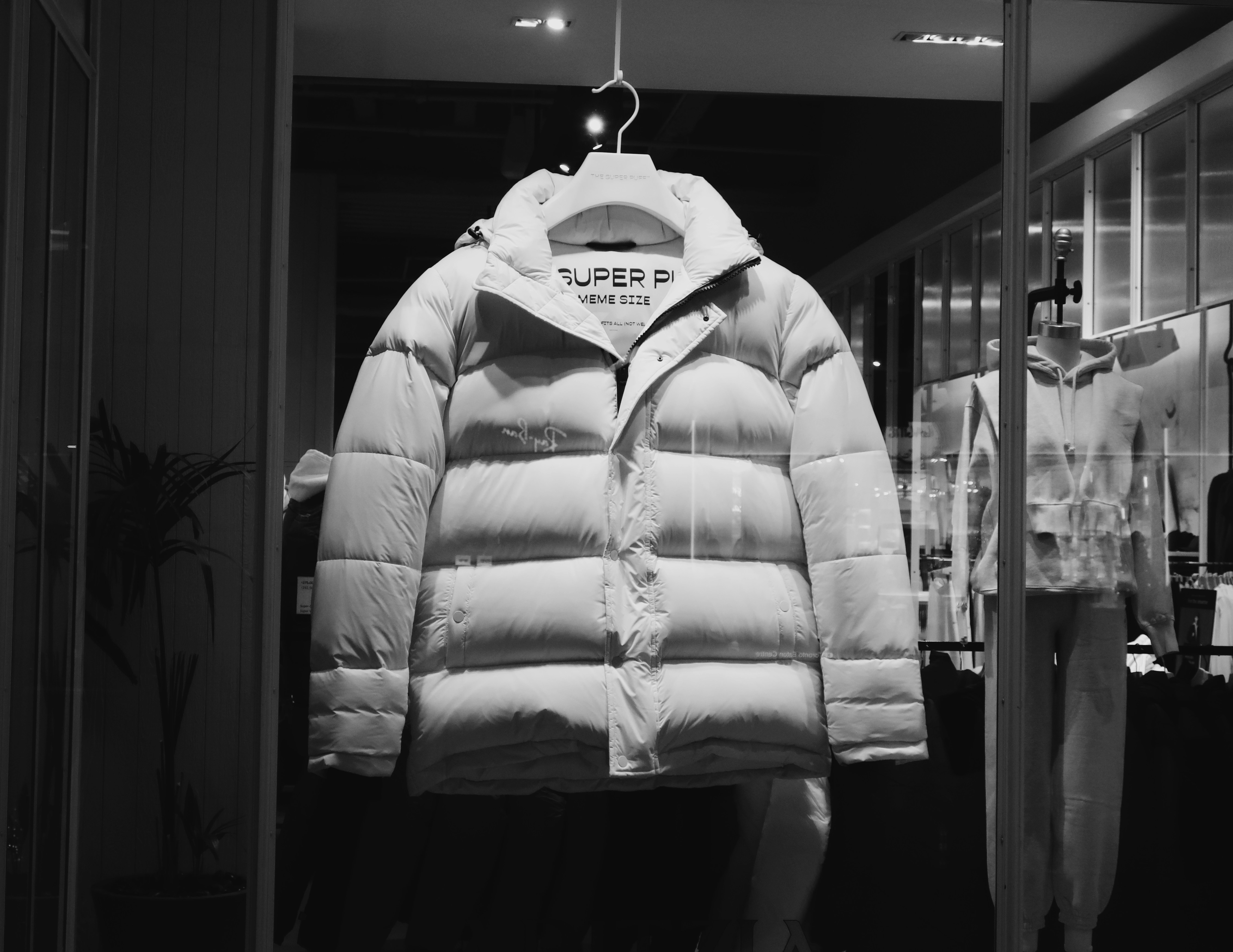
| Insulation | Maximum warmth at rest | 800 FP down jacket |
| Shell | Block wind, rain, snow | GORE-TEX hardshell |
The genius of the system is flexibility — you rarely wear all four at once while moving. Browse the pieces: down jackets and shells.
The "Be Bold, Start Cold" Rule
The most common layering mistake is starting a climb in too many layers, then sweat-soaking your base layer within 15 minutes.
- The first 10 minutes of a climb should feel slightly cool — you'll warm up fast
- Shed layers before you start sweating, not after
- A soaked base layer can drop your core temperature 10°C+ the moment you stop
- Stop, strip a layer, and keep moving — it takes 30 seconds and saves hours of discomfort
Manage Sweat First, Warmth Second
Counter-intuitively, staying dry matters more than staying warm while active. Wet equals cold at altitude.
- Use pit zips and front zips to dump heat without removing layers
- Choose a breathable mid layer (grid fleece, Polartec Alpha) for high-output climbs
- Keep your down jacket in your pack while climbing — it's for rest and camp, not movement
An Exact EBC Layering Recipe
Here's a real-world example for an October day on the EBC trail, from -5°C dawn to 15°C midday sun to -10°C evening:
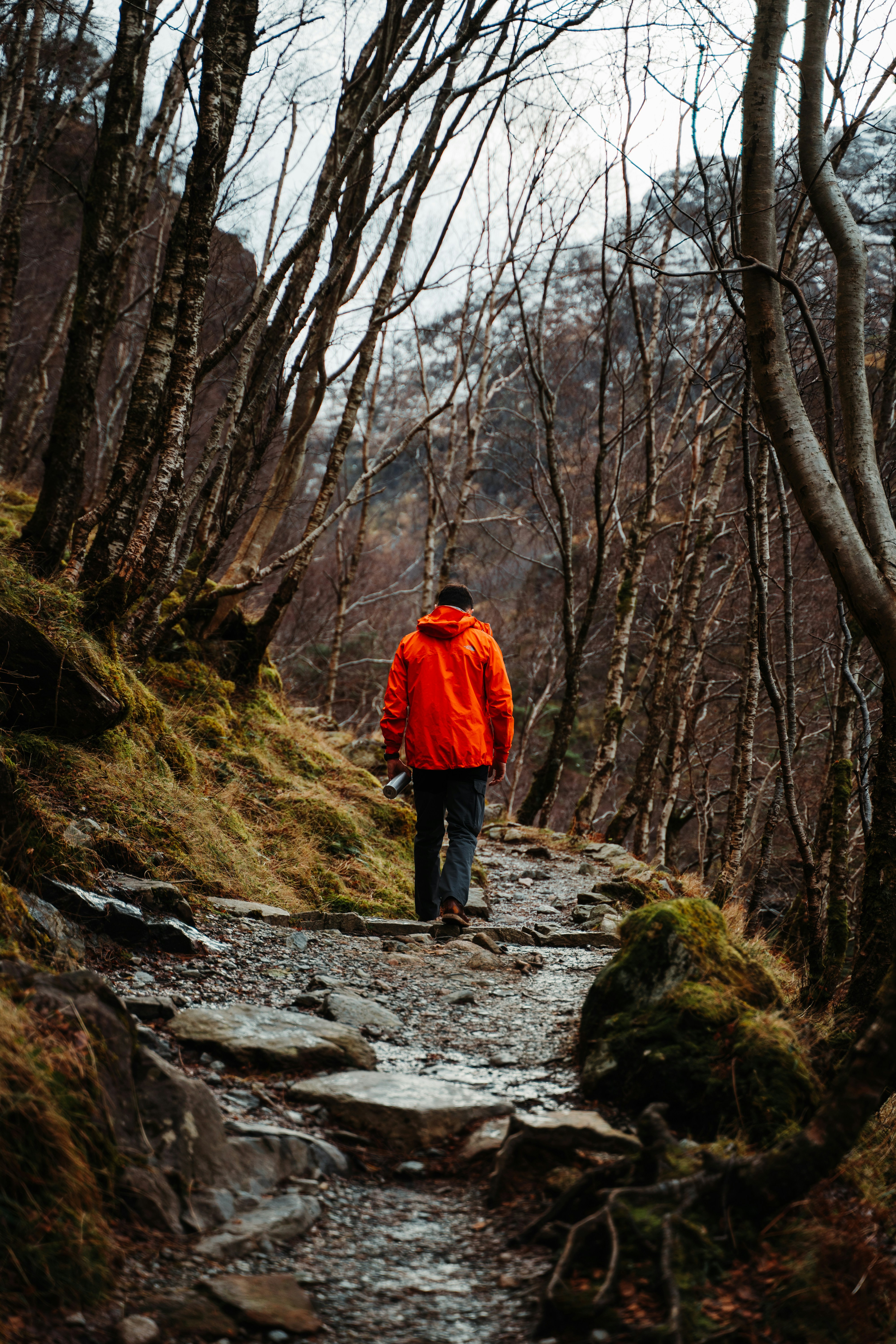
- Cold dawn start: 200 gsm merino base + fleece + shell
- As you warm climbing: Remove shell, then fleece — trek in just the base layer
- Rest stop / ridge wind: Add shell back, or down jacket if stopped longer
- Arrival at teahouse / evening: All layers on — base + fleece + down + shell, plus beanie and gloves
Don't Forget Extremities
- Hands: Liner gloves for moderate cold; insulated mitts above 4,500m
- Head: A buff for sun and dust, a fleece beanie for cold, plus your jacket hood
- Neck: A buff or neck gaiter seals the gap that lets warm air escape
- Sleeping warm: Wear dry base layers and a beanie in your sleeping bag; never sleep in sweaty clothes
Frequently Asked Questions
How many layers do you need for trekking in Nepal?
The cold-weather system uses four layers: a wicking base layer, an insulating mid layer (fleece), a down jacket for warmth at rest, and a waterproof shell. You won't wear all four while moving — you add and remove them as conditions change.
What is the best layering system for high altitude?
Base layer (merino) + breathable mid layer (fleece) + down insulation + waterproof shell. Manage sweat by shedding layers before you overheat, and add insulation immediately when you stop. This system handles the big temperature swings of high-altitude Nepal treks.
Should you wear cotton trekking?
No. Cotton holds sweat and rain, dries slowly, and chills you dangerously at altitude. Every layer touching your skin should be merino or synthetic — never cotton.
How do you stay warm in your sleeping bag at altitude?
Change into dry base layers before bed, wear a beanie, use a liner for extra warmth, and never sleep in sweat-damp clothes. A hot water bottle and eating before bed also help your body generate heat.
Build Your Layering System at Himalayan Hardwear, Thamel
Base layers, fleece, down jackets and shells — every piece of the four-layer system under one roof at our store in Jyatha, Thamel, Kathmandu. Open daily 9am–8pm, or contact us on +977-1-5362200.