Why Rain Gear Is Essential on Every Nepal Trek
Many trekkers obsess over their down jacket and forget about rain — until an afternoon storm catches them above Namche or Chhomrong and they spend the evening shivering in soaked clothes. Nepal's mountain weather produces orographic rain in any month: pre-monsoon storms in May, post-monsoon showers in late September, and of course the full June–August monsoon. A complete rain system — jacket, over-trousers, and pack protection — is not optional. This guide covers all three layers and the specs that matter.
The Three-Layer Rain System
Staying dry in Nepal means protecting three things: your torso, your legs, and your pack contents.
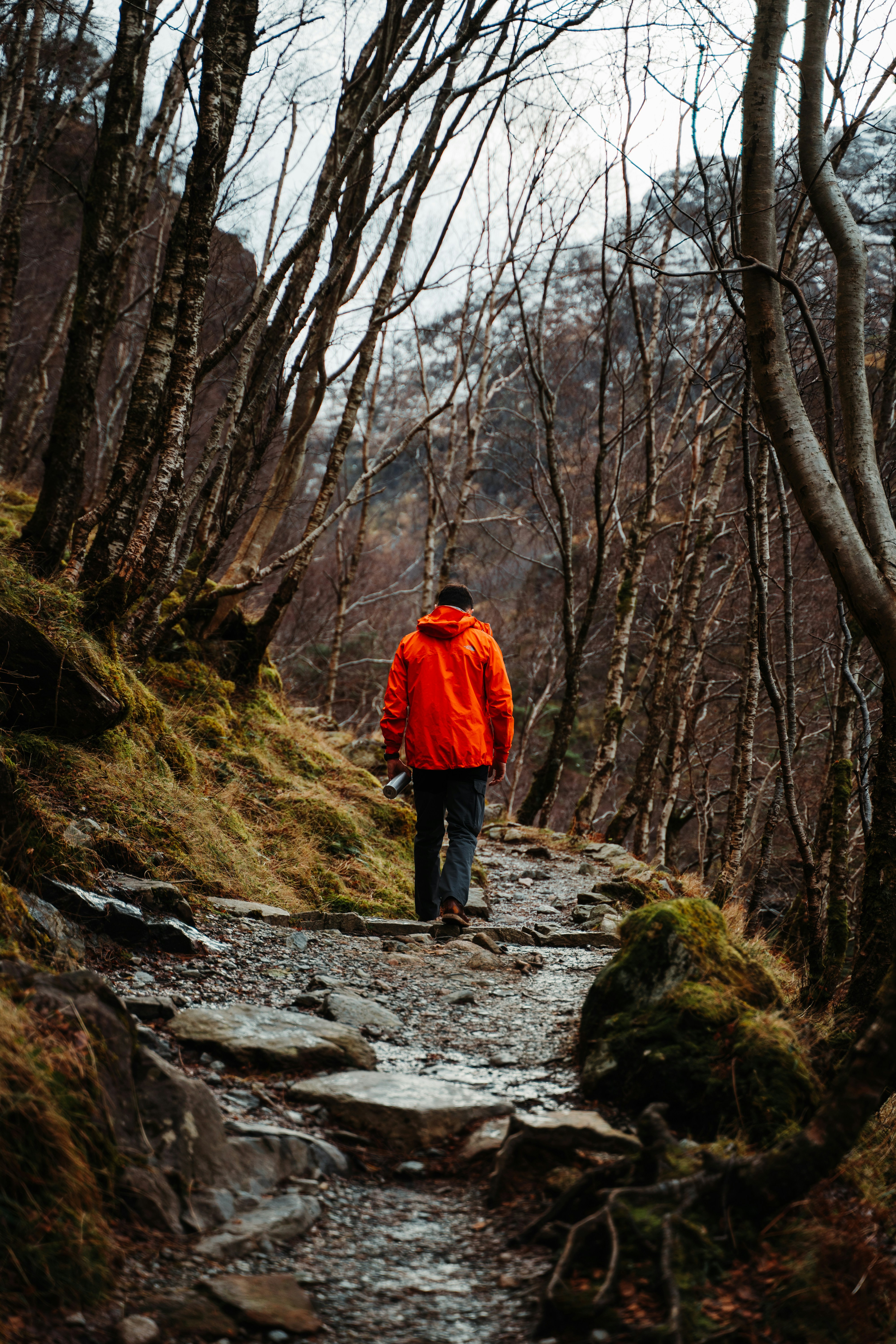
- Waterproof jacket: Your primary shield (see hydrostatic head guidance below)
- Waterproof over-trousers: The most-skipped item — and the one that ruins descents
- Pack cover + dry-bag liner: Keeps your sleeping bag and electronics dry
Choosing a Waterproof Jacket for Rain
- Hydrostatic head: 10,000mm minimum; 20,000mm+ for monsoon
- Breathability: 10,000 g/m²/24hr+ so you don't sweat-soak inside
- Hood + pit zips: Adjustable hood and underarm vents are essential
Browse our windcheaters and rain jackets rated for Nepal.
Why You Need Waterproof Rain Trousers
Rain trousers are the item trekkers regret skipping. Cold rain running down into your boots on a long descent is miserable and a hypothermia risk.
- Side zips: At least 3/4-length so you can pull them on over boots without undressing
- Rating: 10,000mm+ hydrostatic head
- Packability: Lightweight pairs pack to the size of a water bottle
- Vents: Leg or thigh vents help dump heat
We stock rain trousers alongside our full clothing range.
Pack Protection: Cover vs Dry-Bag Liner
| Method | Pros | Cons |
|---|---|---|
| Pack rain cover | Quick, keeps pack exterior dry | Wind can dislodge it; water seeps at the back panel |
| Dry-bag liner (inside pack) | Best protection for sleeping bag & electronics | Slightly more packing effort |
| Both together | Maximum protection | Minor extra weight |
Best practice in Nepal: use a dry-bag liner inside the pack and a rain cover outside. Many of our trekking bags include a built-in cover.
Monsoon Trekking Rain Tips
- Always carry rain gear above Namche or Chhomrong regardless of the forecast
- Re-proof your DWR coating every 20–30 washes with Nikwax TX.Direct or Grangers
- A poncho alone is inadequate — it flaps in wind and leaves legs exposed
- Pack quick-drying synthetic clothing so wet days don't leave you in damp gear
- Gaiters double as leech protection on lower monsoon trails (below 2,500m)
Frequently Asked Questions
Do I need rain pants for trekking in Nepal?
Yes — especially in spring, monsoon, and on high-altitude treks. Rain trousers keep cold water out of your boots on long descents and prevent the chilling that leads to hypothermia. Choose a pair with side zips so you can put them on over your boots.
Is a poncho enough for Nepal trekking?
No. A poncho flaps in Nepal's mountain wind, leaves your legs exposed, and offers poor protection on steep, exposed sections. A proper waterproof jacket plus rain trousers is far more reliable.
Can I buy rain gear in Kathmandu?
Yes. Thamel is the best place in Nepal to buy rain jackets, rain trousers, and pack covers. Visit Himalayan Hardwear in Jyatha, Thamel for quality rain gear at competitive prices before you start your trek.
How do I reproof my waterproof jacket?
Wash with a technical cleaner (Nikwax Tech Wash or Grangers), then apply a wash-in or spray-on DWR treatment such as Nikwax TX.Direct. Re-proof roughly every 20–30 washes, or when water stops beading on the surface.
Stay Dry with Rain Gear from Himalayan Hardwear, Thamel
Rain jackets, over-trousers, pack covers and dry bags — everything to beat Nepal's monsoon — at our store in Jyatha, Thamel, Kathmandu. Open daily 9am–8pm, or contact us on +977-1-5362200.